
Gazi, M. Y., Fellowes, T. E., Deo, R., da Silva, A. P., Perris, L., & Vila-Concejo, A. (2025). A quantitative approach to classify the shape of beach profiles. Estuarine, Coastal and Shelf Science, 109373.https://doi.org/10.1016/j.ecss.2025.109373
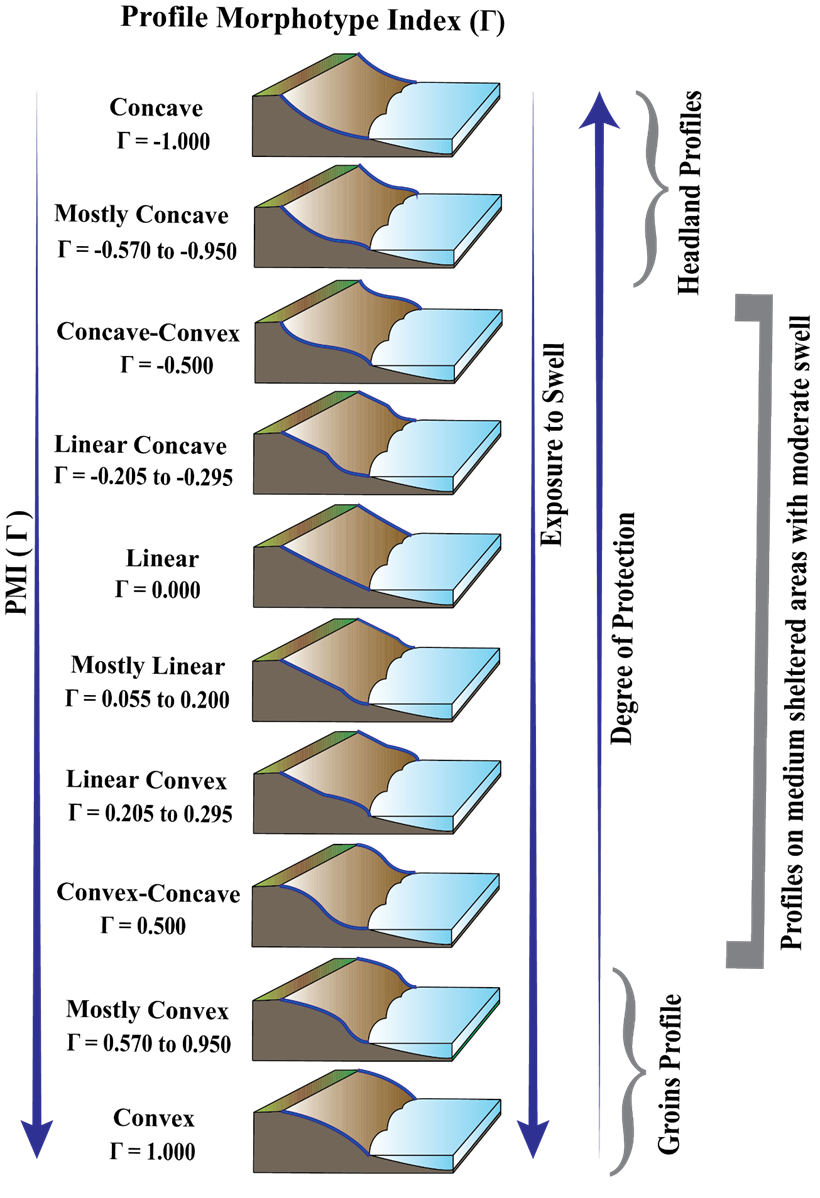
The first chapter of my PhD thesis has now been published! In this study, we developed a Profile Morphotype Index (Γ) to quantitatively classify beach profiles in estuaries and bays (BEBs). Unlike traditional subjective descriptions, Γ assigns each beach profile a value between −1 (concave, erosive) and +1 (convex, accretional), based on curvature and elevation data.
Using 774 beach surveys from four sites in Gamay (Sydney, Australia) over 7 years, the study identified 10 distinct morphotypes. These reflect changes due to wave energy, storms, human interventions (like groynes), and sediment supply.
The method helps identify:
- Sediment-starved vs. sediment-rich beaches
- How beaches respond to storms
- The impact of human structures on beach morphology
The tool is open-source and offers a standardised approach for coastal scientists and planners to monitor and manage beaches in sheltered environments globally.
 Geocoastal Research Group