

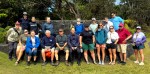
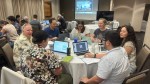
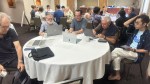
From July 30 to August 3, 2025, the X389 science team gathered in Hilo, Hawaii, for our second post‑cruise meeting. This event brought together researchers from across the globe—both in person and online—to share preliminary findings, refine analyses, and plan future publications from the IODP X389 expedition.
It was a great meeting but we did have the added complication of the tsunami generated by the Russian earthquake flooding several Hilo hotels including our own! Thankfully the damage was minimal, but it did disrupt the travel plans of some of the expedition scientists who were arriving the next day. And to add to the excitement Hawaii’s Kilauea volcano was presenting several pre eruption indicators, finally erupting Aug 6th (2 days after we left!).
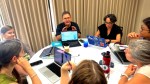
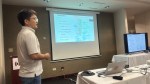
The program opened with a welcome session, icebreaker, and an overview of meeting goals. Over the first two days, the team examined the H1 (~ 150 m water depth) and H2 (~400m water depth) reef terraces in detail, covering geology, chronology, sea‑level changes, coralgal assemblages, reef development, microbialites, diagenesis, and geochemical proxies and paleoclimate reconstructions. Breakout sessions allowed thematic groups—Sea Level & Dating, Reef Response, and Paleoclimate—to collaborate closely, with volcanic studies featured as a cross‑theme element.
Day 3 focused on thematic planning, integration of older reef terrace data, and publication strategies. Discussions addressed timelines, authorship priorities, and collaborative pathways to maximise the scientific value of the unique X389 samples and datasets.
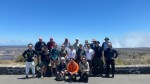
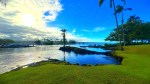
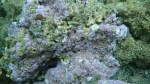
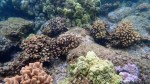
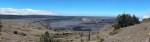
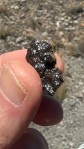
The meeting concluded with a fascinating field trip showcasing Hawaii’s volcanoes, coasts, and reefs, fostering informal discussions and new ideas. A huge thank you to Ashton Flinders (USGS) and Steve Doo (University of Hawaiʻi at Hilo) for leading the volcanic and coastal parts of the field trip respectively. The trip was both fun and incredibly valuable as it allowed the X389 scientists to think about how the deposits we recovered in the drill cores relates to the modern context of these spectacular environments.
This gathering was not only about data—it was about strengthening scientific networks and charting the course for impactful publications that we hope will advance our understanding of past sea‑level, paleoclimate and reef responses, as well as the volcanic history of Hawaii.
Bravo Team!
Cheers
Jody
#MarineScienceSydneyUni
-
- image@jody_webster
-
- image@jody_webster
-
- image@jody_webster
-
- image@jody_webster
-
- image@jody_webster
-
- image@jody_webster
-
- image@jody_webster
-
- image@jody_webster
-

- image@jody_webster
-
- image@jody_webster
-
- image@jody_webster
-

- image@jody_webster
-

- image@jody_webster
-
- image@jody_webster
-
- image@jody_webster
 Geocoastal Research Group