
Please join me in congratulating GRG collaborator A/Prof. Marc Humblet and colleagues on the publication of their new paper in the international journal Marine Geology:
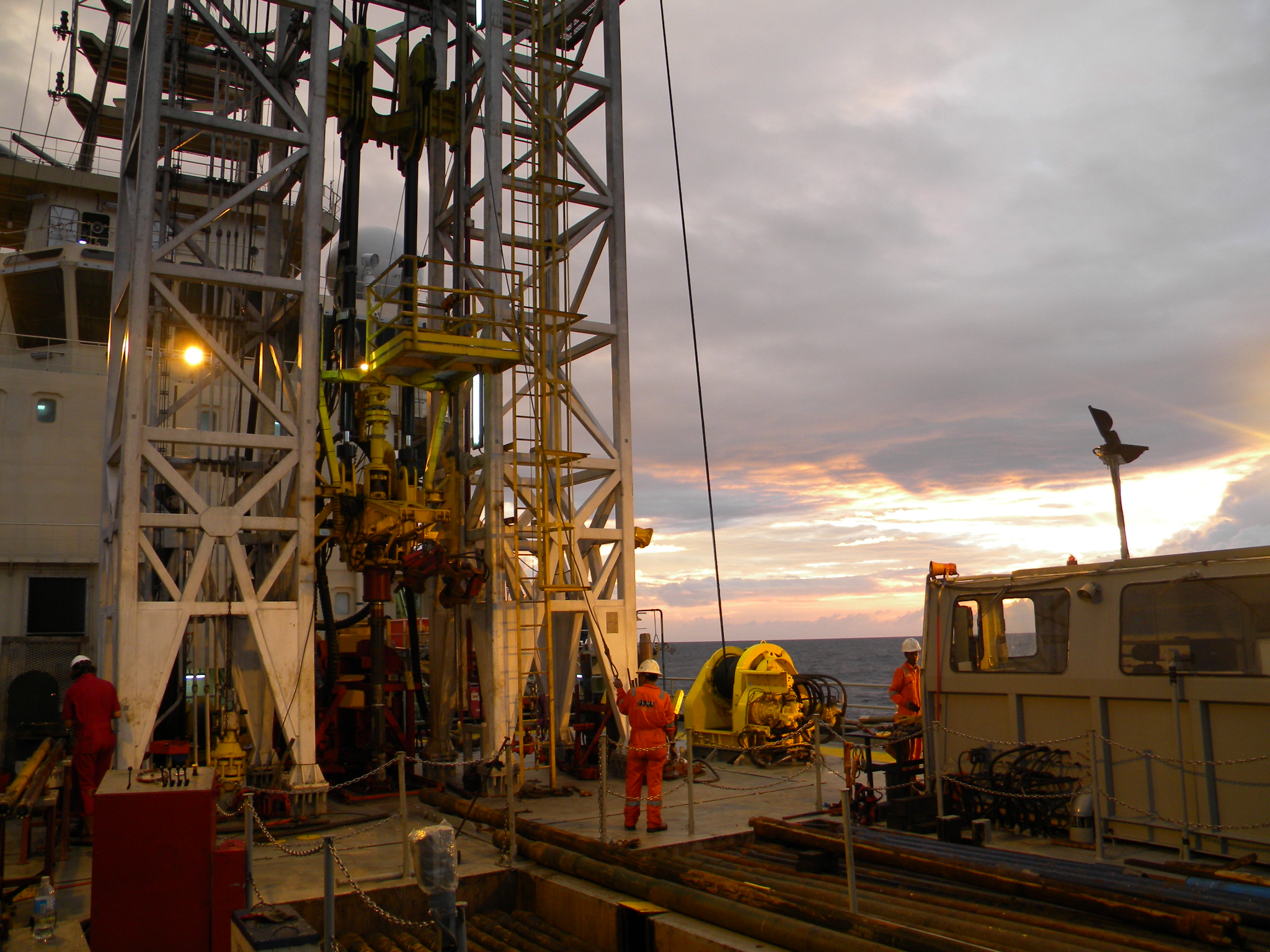
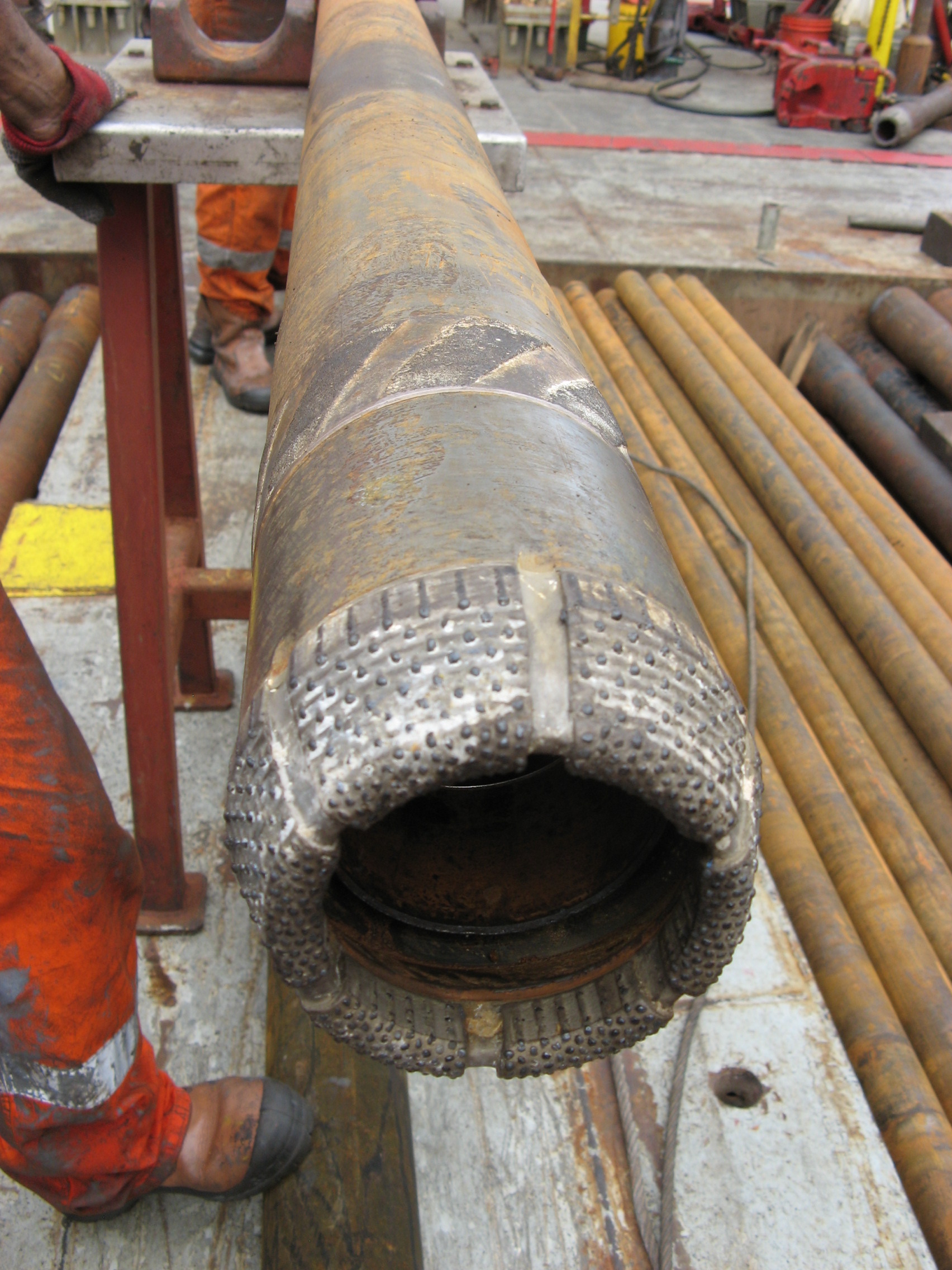
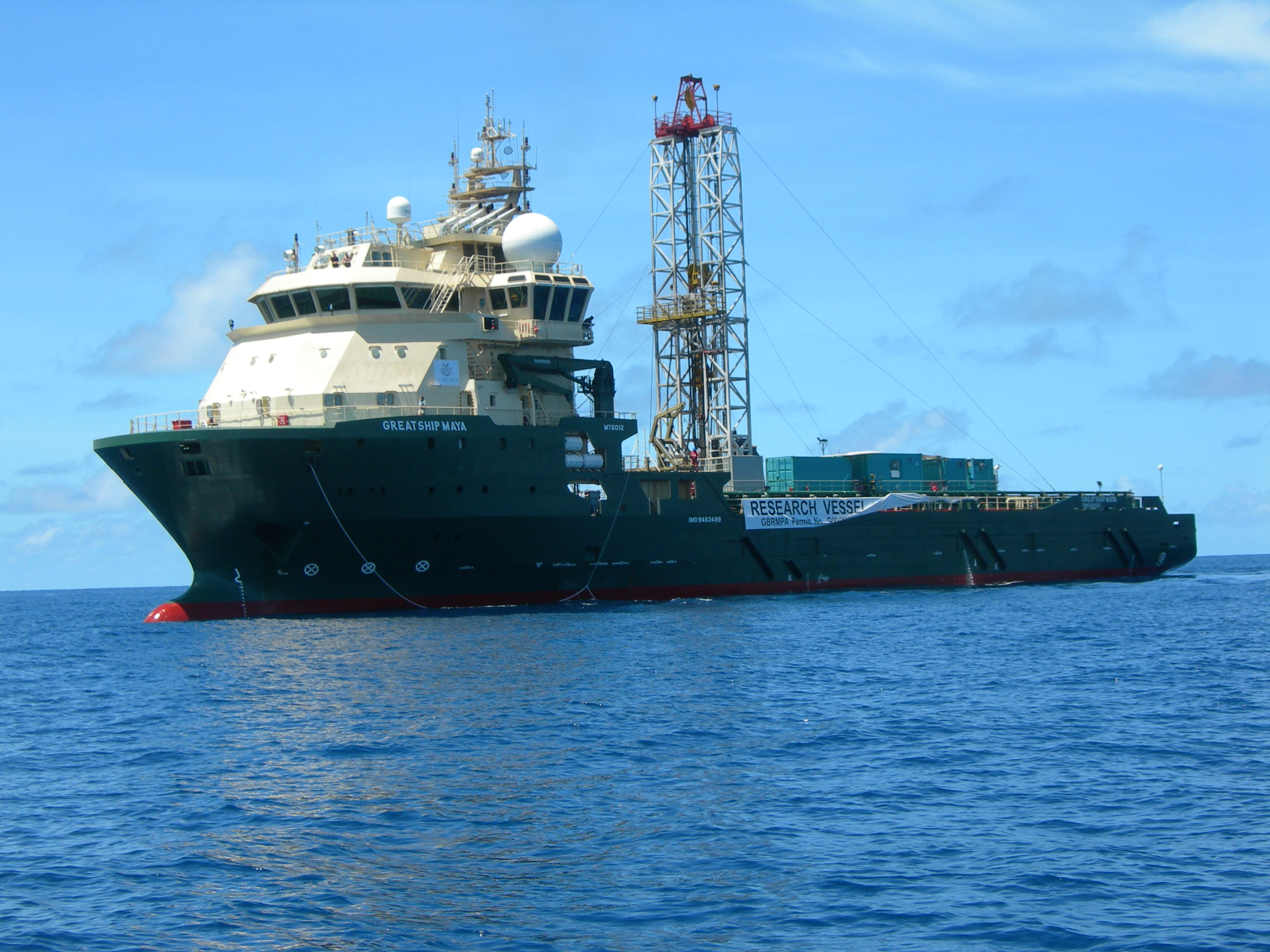
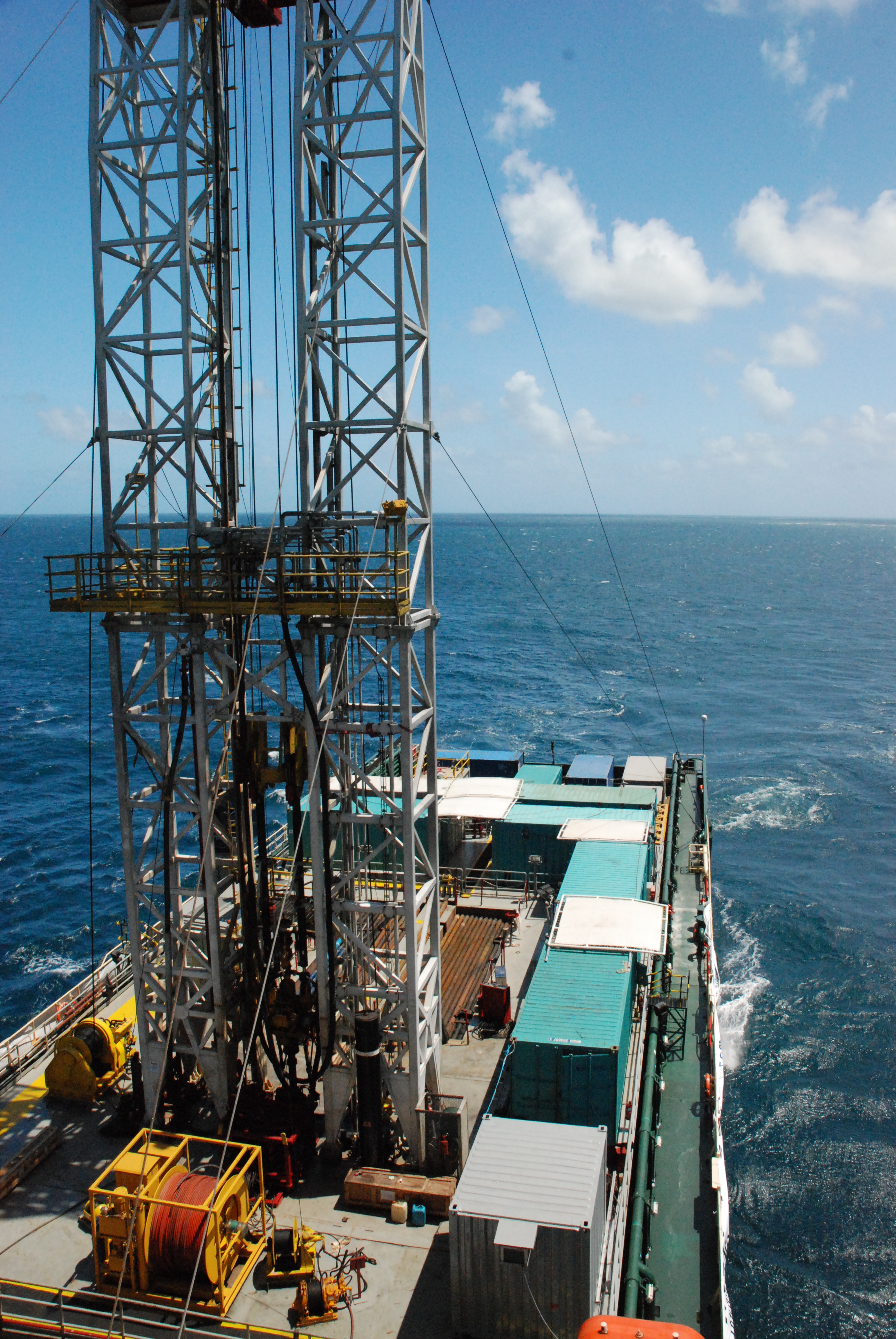
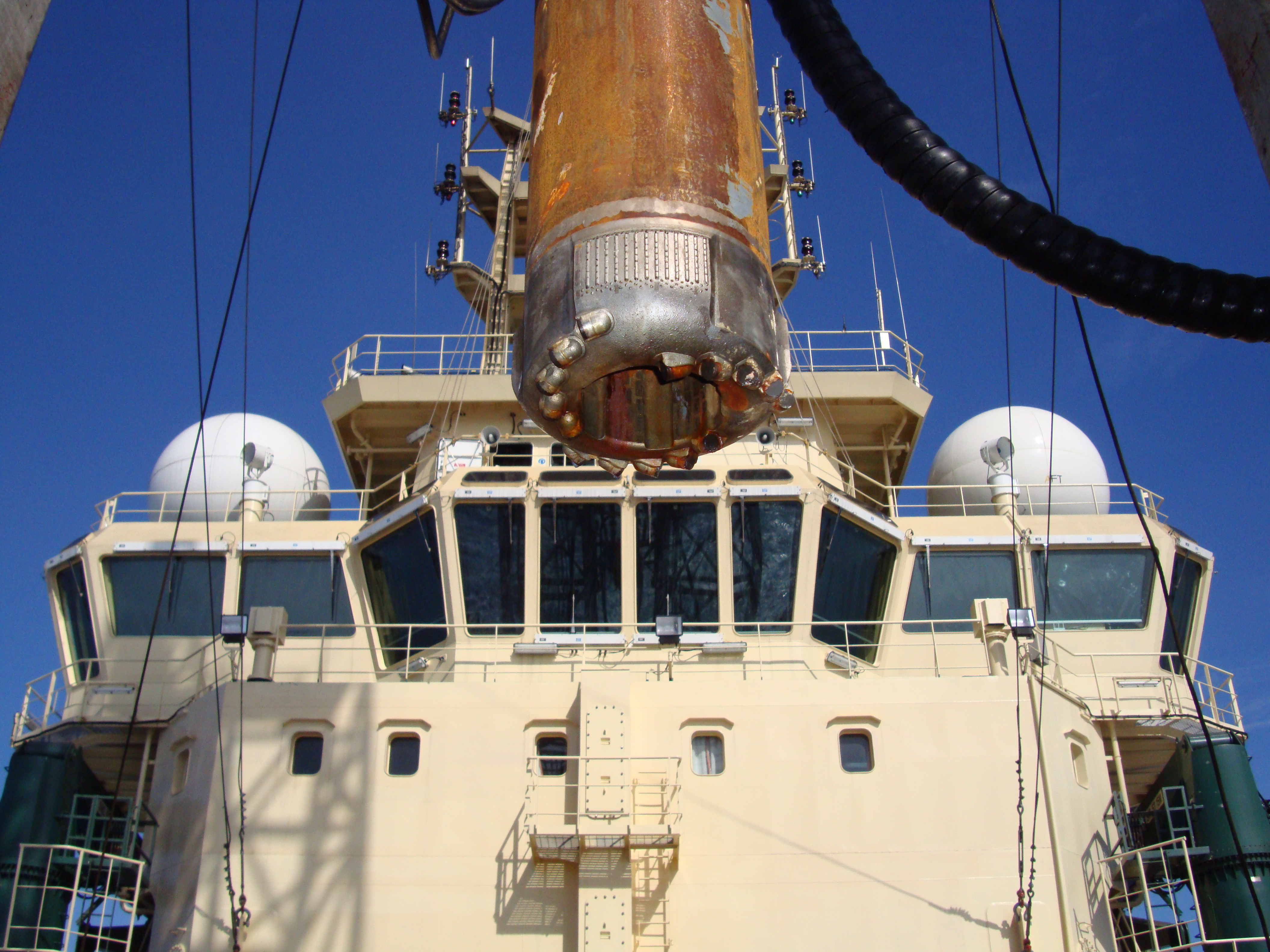
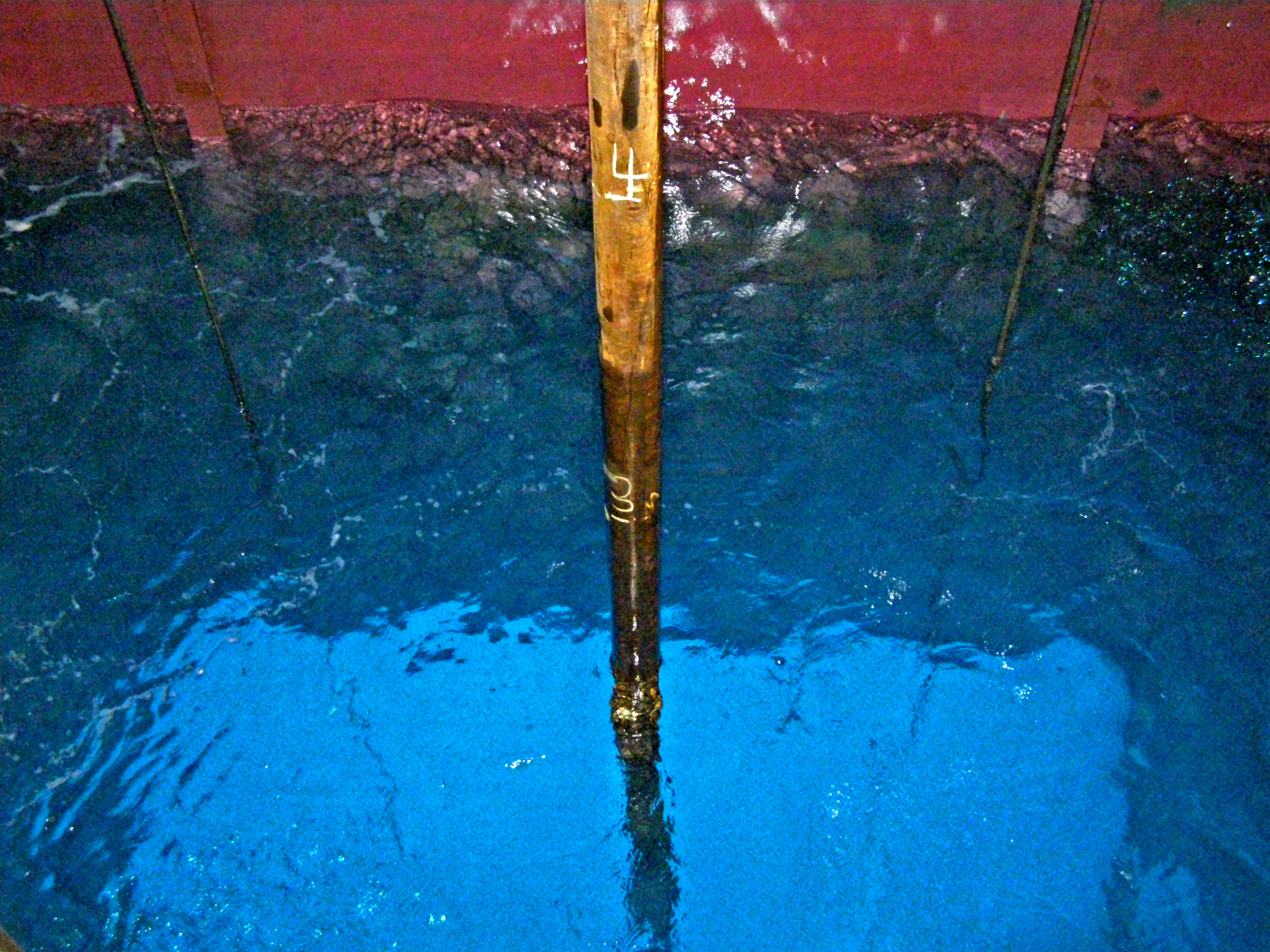
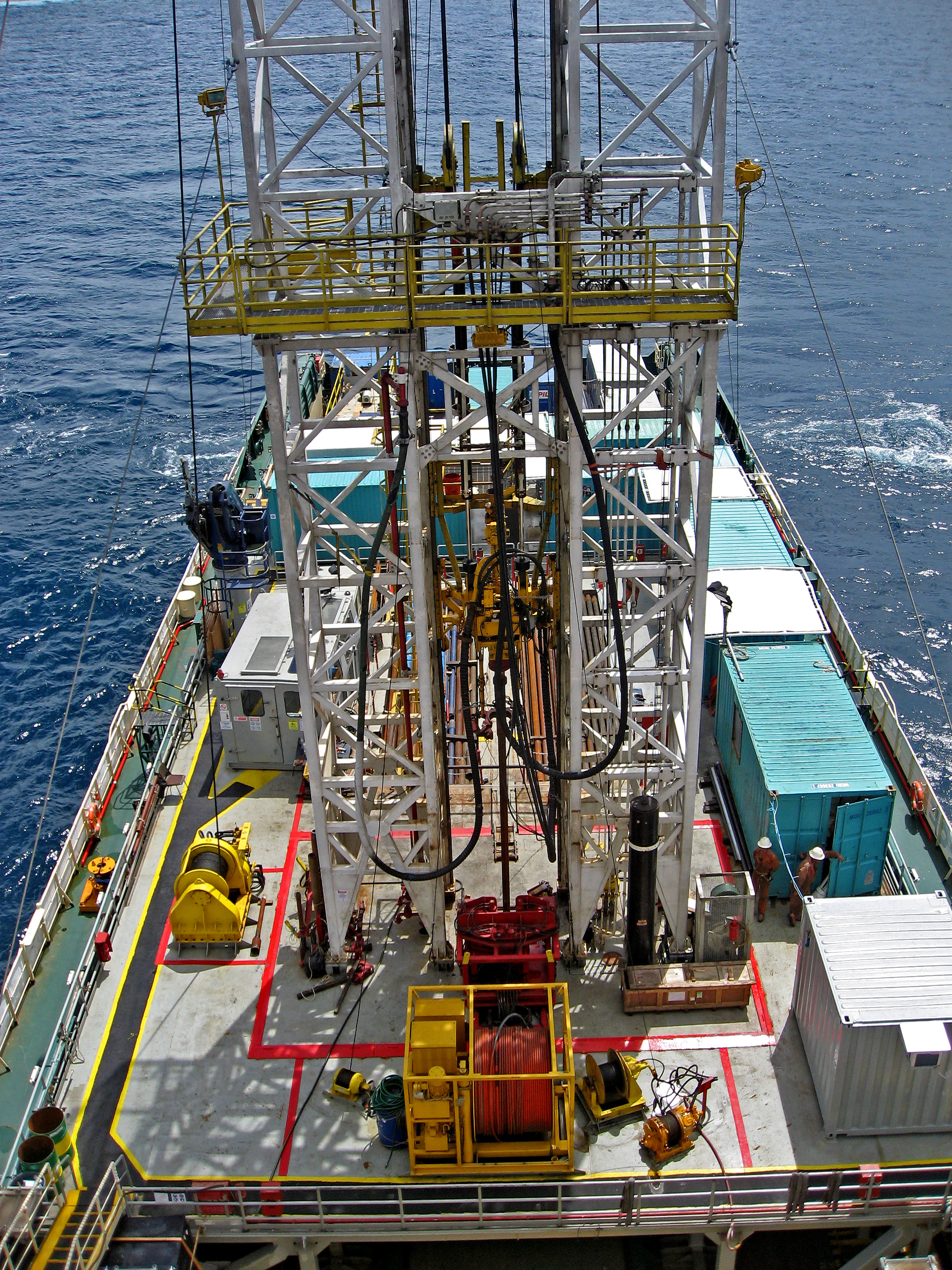
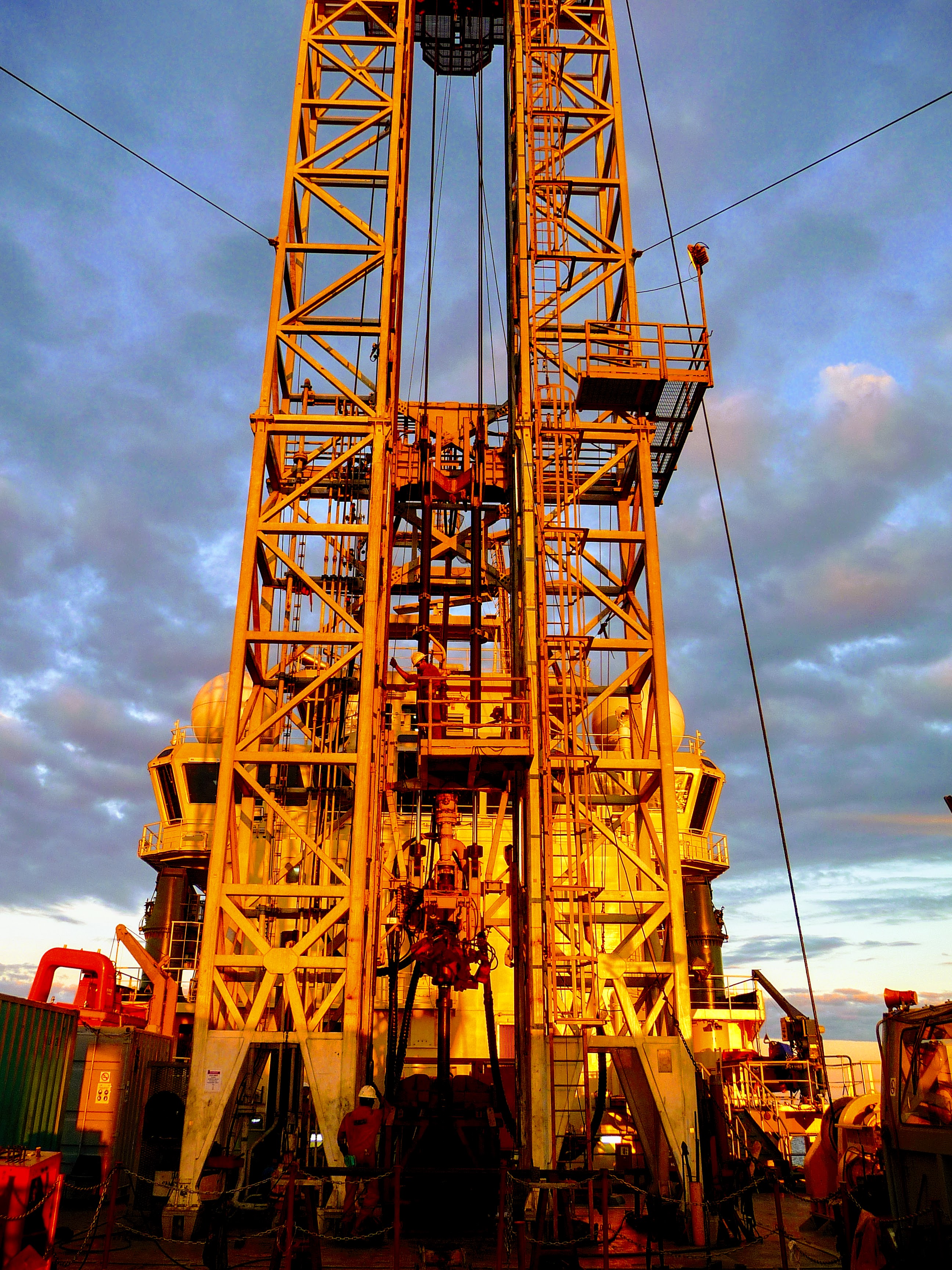
Humblet, M., J. M. Webster, J. C. Braga, D. C. Potts, Y. Iryu and Y. Yokoyama (2026). “Coral community responses to Pleistocene sea-level and environmental change on the Great Barrier Reef.” Marine Geology 498: 107790. https://doi.org/10.1016/j.margeo.2026.107790. This paper forms part of a special issue (“MSP ocean drilling”) that highlights research conducted using Mission Specific Platforms (MSP) in the International Ocean Discovery Program (IODP) and its predecessor, the Integrated Ocean Drilling Program
This exciting new study investigates how coral reef communities on the Great Barrier Reef (GBR) responded to major sea-level and environmental changes across multiple glacial–interglacial cycles. By combining offshore drill cores from IODP Expedition 325 with older onshore GBR drill cores from Ribbon Reef 5 and Boulder Reef, the paper provides one of the most comprehensive long-term records yet assembled of coral community evolution through time.
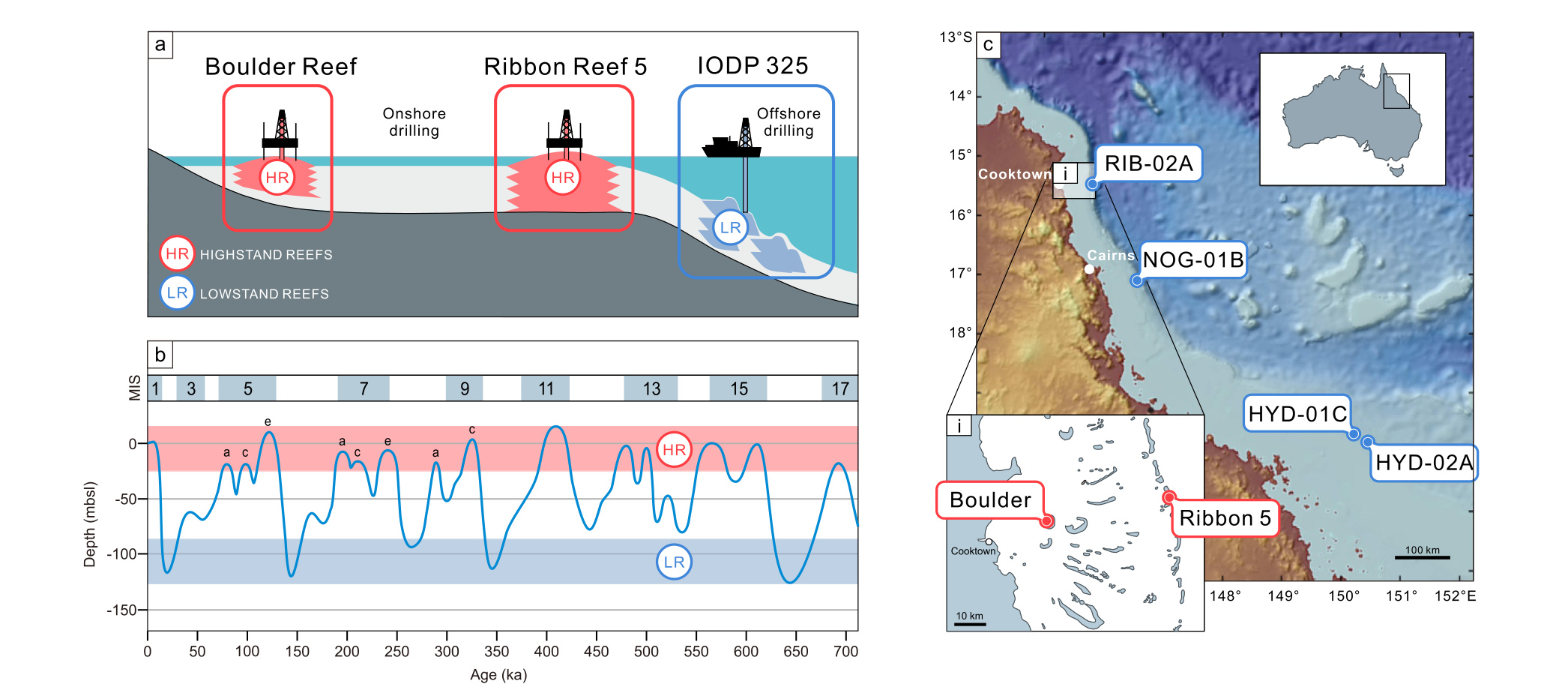
The study compares submerged glacial and deglacial reefs formed during periods of low sea level with interglacial highstand reefs that developed when sea level was similar to, or higher than, today. Together, these records span at least the past ~500,000 years and provide remarkable insights into reef resilience, reef drowning, and the ecological mechanisms that enabled coral reef systems to repeatedly recover through dramatic environmental change.
Key findings from the study include:
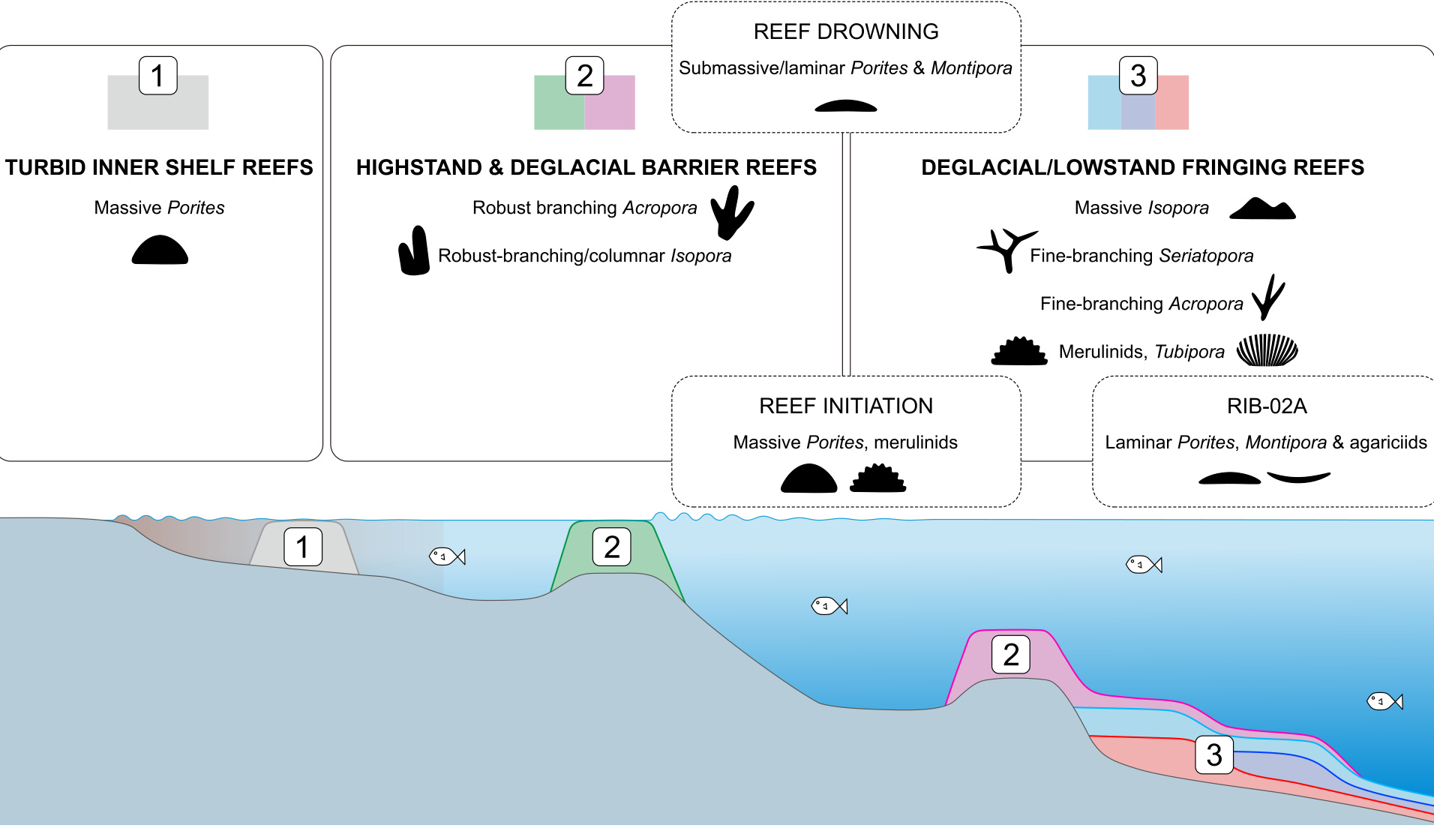
• Strong control of sea level and environment on coral communities: Coral assemblages varied systematically with sea-level fluctuations, shelf morphology, turbidity and environmental conditions across the GBR shelf.
• Deglacial and interglacial barrier reefs were dominated by fast-growing Acropora and Isopora: These robust branching and columnar coral assemblages were critical for sustaining rapid vertical reef growth during periods of accelerated sea-level rise.
• Glacial fringing reefs hosted very different coral communities: Late glacial and early deglacial reefs were characterised by encrusting to massive Isopora, fine-branching Acropora and Seriatopora, together with merulinids and Tubipora, suggesting environmental conditions less favourable for typical high-energy barrier reef assemblages.
• Inner shelf turbid reefs showed remarkable persistence: The Boulder Reef record was dominated by massive Porites through a ~34 m thick reef section, highlighting the long-term resilience of turbid inner shelf reef systems to environmental disturbance.
• Reef initiation and drowning followed predictable ecological successions: Massive Porites and merulinids commonly colonised newly flooded substrates during reef initiation, while laminar Porites and Montipora typically marked deepening prior to reef drowning.
• Key reef-building taxa persisted even during the Last Glacial Maximum: Despite sea levels being up to ~120–140 m lower than today, important reef-building taxa survived and later enabled rapid reef recovery during deglacial sea-level rise.
One particularly fascinating aspect of the study is how clearly coral community composition tracks major environmental transitions through time. The work shows that reef communities were not random assemblages of surviving taxa, but rather highly structured ecological systems repeatedly reorganising in response to changing accommodation space, turbidity, hydrodynamic energy, and sea-level rise.
The paper also highlights the importance of antecedent shelf morphology in controlling reef development. For example, the steep shelf edge off Cooktown appears to have constrained reef growth during glacial and deglacial periods, leading to unusual mesophotic coral assemblages dominated by laminar Porites and agariciids such as Pachyseris and Leptoseris.
Importantly, the study reinforces the concept that many modern GBR reef-building taxa have persisted through repeated episodes of major climate and environmental change over hundreds of thousands of years. At the same time, the work demonstrates that reef growth trajectories and ecological structures can shift substantially depending on environmental context and rates of sea-level rise.
Why this matters
Understanding how coral reef communities responded to past periods of rapid environmental change is critical for placing modern reef decline into a longer-term perspective. The fossil reef archives recovered from the GBR shelf edge provide a unique natural laboratory for examining reef resilience, ecological thresholds, and recovery dynamics over millennial timescales.
This study provides important new insights into:
- how reefs respond to rapid sea-level rise,
- how coral community structure reorganises during environmental stress,
- why some reef systems are more resilient than others,
- and which coral taxa play key roles during reef initiation, vertical accretion and reef drowning.
The findings also have important implications for predicting how coral reef ecosystems may respond to ongoing climate change, rising sea levels, increasing turbidity, and changing oceanographic conditions in the future.
This paper represents a major contribution to our understanding of Quaternary reef paleoecology and another important outcome from the extraordinary GBR drill core archives, including IODP Exp. 325.
Bravo Marc and team!
Cheers
Jody
#MarineScienceSydneyUni


 Geocoastal Research Group